Teaching children about money does not need to feel complicated or boring. When approached with creativity and warmth, money lessons for kids can become enjoyable experiences that shape positive habits for the future. Children are naturally curious, and when financial ideas are explained in a playful and relatable way, they absorb them with ease. Fun financial education helps children understand value, responsibility, and choice while building confidence that stays with them as they grow.
Money lessons for kids are not about pressure or perfection. They are about gentle guidance, everyday conversations, and simple activities that connect money to real life. When learning feels natural, children begin to see money as a helpful tool rather than a source of stress.
Money Lessons for Kids and Early Financial Awareness
Money lessons for kids are most effective when they start with awareness. Children notice money being used long before they understand it, which makes early exposure important. Talking openly about money in simple language helps remove confusion and curiosity is turned into understanding. When children know that money is earned and used for choices, they begin to respect it.
Parents and caregivers can explain that money comes from effort and time. This connection builds appreciation and prevents careless attitudes. Everyday moments, such as shopping or planning activities, offer chances to explain how money works. Over time, these conversations become familiar and comforting, forming a strong foundation for financial confidence.
Fun financial education also supports emotional growth. Children learn patience when waiting, pride when earning, and confidence when making choices. These emotional skills are just as valuable as practical knowledge and support healthy decision making later in life.
Money Lessons for Kids Through Saving and Patience
Saving is one of the most important money lessons for kids, yet it is often misunderstood. Children live in the moment, so waiting can feel challenging. Turning saving into a visual and exciting experience makes a big difference. When children can see progress and connect saving to a goal, motivation grows naturally.
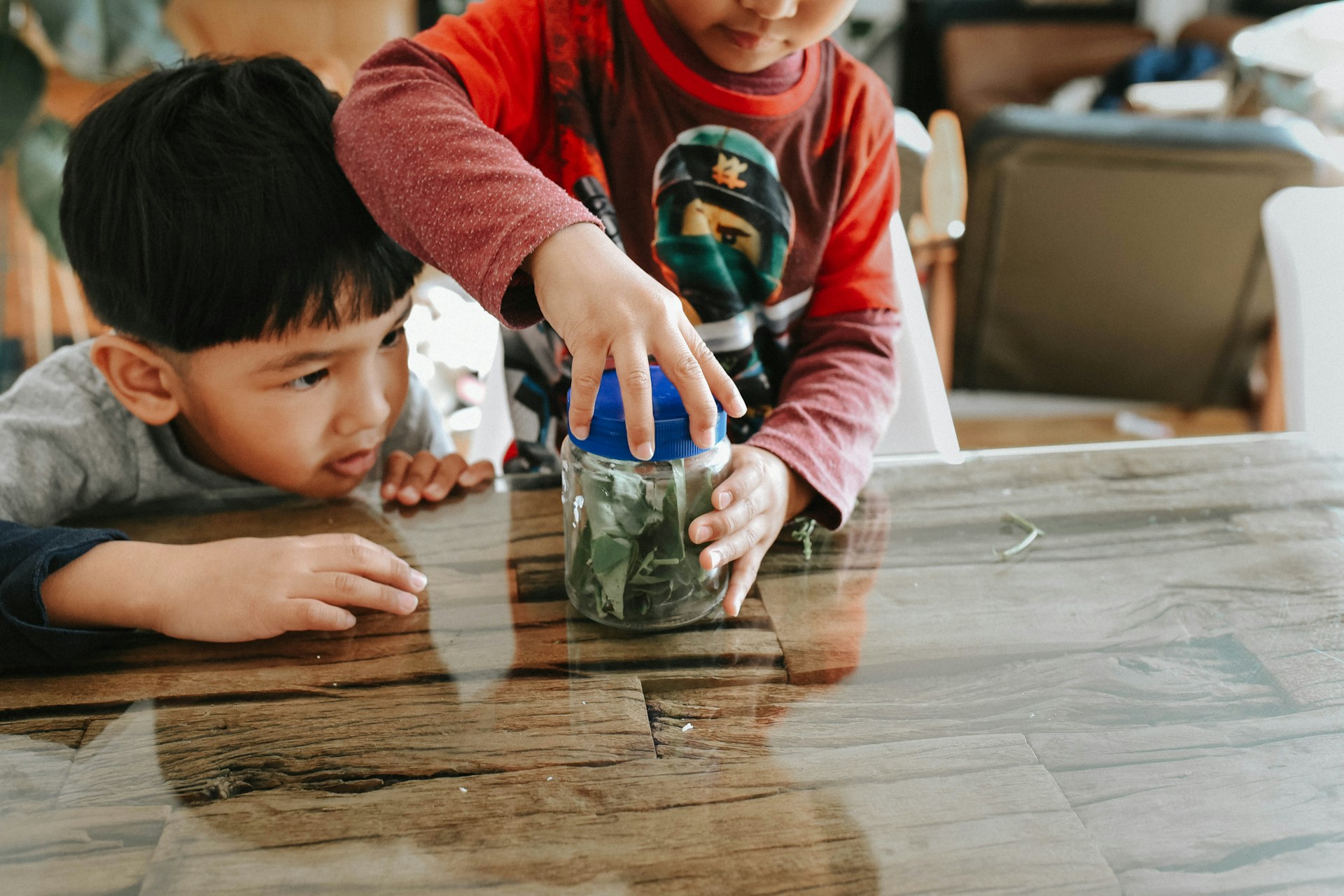
Using a clear container for savings helps children understand growth over time. Each addition feels like an achievement and builds excitement. Conversations about saving should focus on goals and dreams rather than limits. When children understand that saving brings them closer to something meaningful, patience becomes easier to practice.
Money lessons for kids around saving also teach self control. Children learn that they can choose to wait and that waiting can feel good. These lessons extend beyond money and support better choices in many areas of life. Saving becomes a positive habit rather than a restriction.
Money Lessons for Kids About Spending and Choice
Spending is where many powerful money lessons for kids come to life. Every purchase is a decision, and children can learn that choices matter. Explaining that money can only be spent once helps children think before acting. This awareness encourages thoughtful behavior without fear or guilt.
Allowing children to make small spending decisions builds confidence. When they choose how to use their money, they learn from experience. Sometimes choices lead to satisfaction, and sometimes they lead to disappointment. Both outcomes are valuable teachers. Calm discussions after spending help children reflect and grow.
Fun financial education encourages balance. Children can learn that money can be used for enjoyment, saving, and sharing. When spending is framed as a thoughtful process, children feel empowered rather than controlled. These money lessons for kids support independence and responsibility in a healthy way.
Money Lessons for Kids That Build Values and Confidence
Money lessons for kids go beyond coins and notes. They also shape values, kindness, and confidence. Teaching children that money can help others builds empathy and generosity. Simple acts of giving show that money has emotional value as well as practical use.
Sharing money lessons with stories and games keeps learning light and memorable. Stories allow children to see characters making choices and facing outcomes, which helps ideas stick. Games encourage practice without pressure and turn learning into play. These approaches keep children engaged and curious.
Parents play an important role in reinforcing money lessons for kids through example. Children watch closely and learn from everyday behavior. When adults talk calmly about money, plan ahead, and make thoughtful decisions, children notice. These quiet examples often teach more than formal lessons.
Over time, fun financial education builds confidence. Children grow comfortable talking about money and asking questions. They feel capable of making choices and learning from them. This confidence reduces anxiety and prepares them for future responsibilities.
Money lessons for kids are not about creating perfect savers or spenders. They are about building understanding, trust, and healthy habits. When learning is enjoyable and supportive, children develop a positive relationship with money that lasts a lifetime.
By keeping conversations open, using playful activities, and leading with patience, adults can make financial education feel natural. Money lessons for kids become part of daily life rather than a formal task. With this approach, children grow into adults who feel prepared, confident, and balanced when it comes to money.