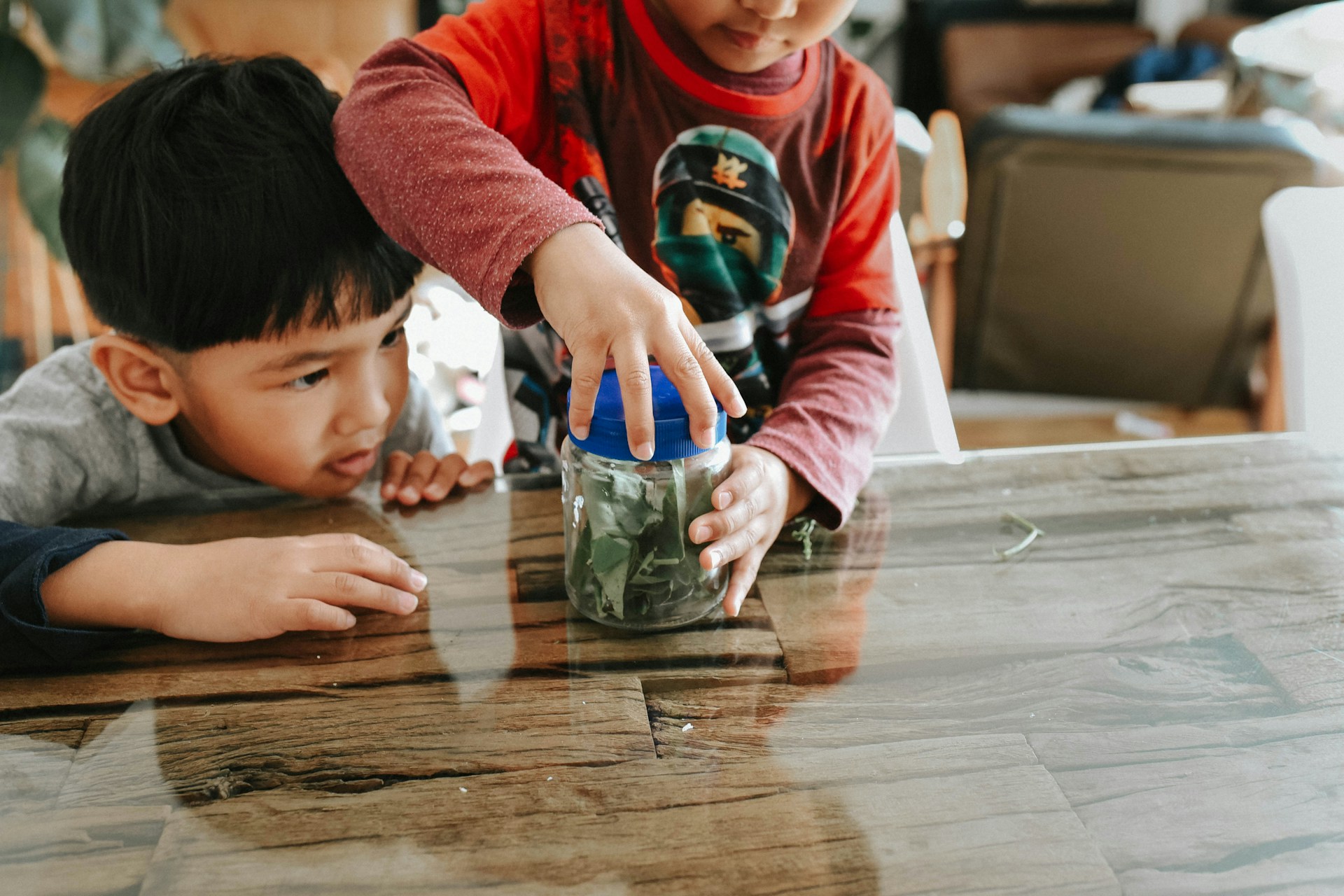
Money lessons for kids are among the most important foundations parents and teachers can provide. Children begin forming habits at a young age, and those habits often carry into adulthood. When kids understand how money works, they grow up with confidence instead of confusion. Financial education is not just about dollars and coins. It is about responsibility, patience, decision-making, and independence.
Young children are naturally curious about money. They watch adults pay for groceries, tap cards at stores, and shop online. Without guidance, they may assume money appears endlessly or is always available. Clear and consistent money lessons for kids help them understand that money is earned through effort and must be managed wisely.
Teaching financial literacy early also reduces anxiety about money later in life. When children grow up discussing finances openly, they are more likely to make thoughtful choices. They learn that money is a tool, not something to fear. By starting conversations at home and in the classroom, adults can create a positive relationship between kids and financial responsibility.
Making Money Lessons for Kids Fun and Engaging
Money lessons for kids work best when they feel natural and enjoyable. Children learn through experience, storytelling, and play. Turning financial education into a fun activity keeps them interested and eager to participate.
Pretend play is a powerful teaching tool. Setting up a small shop at home where children use play money to buy and sell items helps them understand exchange and value. They begin to see that money moves from one person to another in return for goods or services. These simple activities make abstract ideas easier to understand.
Storybooks are another helpful resource. Many children’s books focus on saving for a goal or choosing between wants and needs. When kids connect with characters who make money decisions, they absorb important lessons without feeling lectured. Conversations after reading can reinforce ideas about patience and planning.
Allowance can also support money lessons for kids when used thoughtfully. Giving children a small amount of money regularly allows them to practice real decisions. They learn what happens when they spend quickly and what rewards come from saving. Instead of controlling every purchase, parents can guide discussions and let children experience natural outcomes.
Daily routines provide endless teaching opportunities. Grocery shopping, planning a family outing, or comparing prices can all become gentle financial lessons. When children see adults thinking carefully about spending, they learn that smart choices are part of everyday life.
Core Principles Behind Money Lessons for Kids
Strong money lessons for kids focus on simple but meaningful concepts. These principles shape lifelong financial behavior and encourage healthy habits.
Earning is the first idea children should understand. Money does not simply appear. It is connected to effort and contribution. For younger kids, this may mean helping with small tasks at home. Older children might explore creative ways to earn by offering simple services in their neighborhood. When children link effort with reward, they gain pride in their accomplishments.
Saving is another essential principle in money lessons for kids. Learning to set aside money for something special teaches patience and delayed gratification. Instead of expecting instant rewards, children begin to plan ahead. Watching savings grow over time builds excitement and motivation. A clear container or visual tracker can make progress feel real and encouraging.
Spending wisely is equally important. Kids need guidance to tell the difference between things they need and things they simply want. Conversations about thoughtful choices help children evaluate purchases before making them. Asking gentle questions about value encourages reflection rather than impulse.
Giving also plays a meaningful role in money lessons for kids. Setting aside a small portion of money to help others builds empathy and generosity. Children learn that money can create positive change. This understanding nurtures compassion alongside responsibility.
Budgeting ties these ideas together. Even a simple system where money is divided into categories for saving, spending, and giving can provide structure. Over time, children see that balance creates stability. These foundational lessons prepare them for more complex financial decisions in the future.
Building Confidence Through Money Lessons for Kids
The true goal of money lessons for kids is confidence. When children understand financial basics, they feel capable rather than overwhelmed. Confidence grows from practice and open communication.
Parents and educators can strengthen confidence by modeling healthy habits. Children observe how adults handle money, whether that involves comparing options before buying or setting aside savings regularly. Actions often teach more than words. Demonstrating thoughtful financial behavior reinforces every conversation about money.
It is also important to allow room for small mistakes. If a child spends all their money at once, the experience becomes a powerful lesson. Instead of criticism, a calm discussion about what could be done differently next time promotes growth. Learning in a safe environment prepares kids for bigger responsibilities later.
As children mature, money lessons for kids can gradually expand. Conversations may include topics such as banks, interest rates, digital payments, and long-term planning. Introducing these ideas in a simple and relatable way keeps the learning approachable. Explaining how savings can grow over time helps children see the benefits of patience and consistency.
Technology can also support modern financial education. Many families use digital tools to manage money. Showing children how electronic transactions work and discussing online safety ensures they understand today’s financial landscape. This practical knowledge prepares them for real-world experiences.
Open dialogue remains essential throughout every stage. When children feel comfortable asking questions about money, they develop clarity rather than confusion. Honest conversations about budgeting, goals, and even challenges build resilience and adaptability.
Money lessons for kids are not about turning them into financial experts overnight. They are about creating thoughtful individuals who understand the value of effort and planning. When children learn to earn responsibly, save patiently, spend wisely, and give generously, they develop habits that support long-term well-being.
Every small conversation contributes to a larger understanding. By keeping financial education positive, consistent, and engaging, families and schools can empower children with skills that last a lifetime. In a world where financial choices shape many aspects of life, strong money lessons for kids provide the confidence and knowledge needed to build a secure and meaningful future.