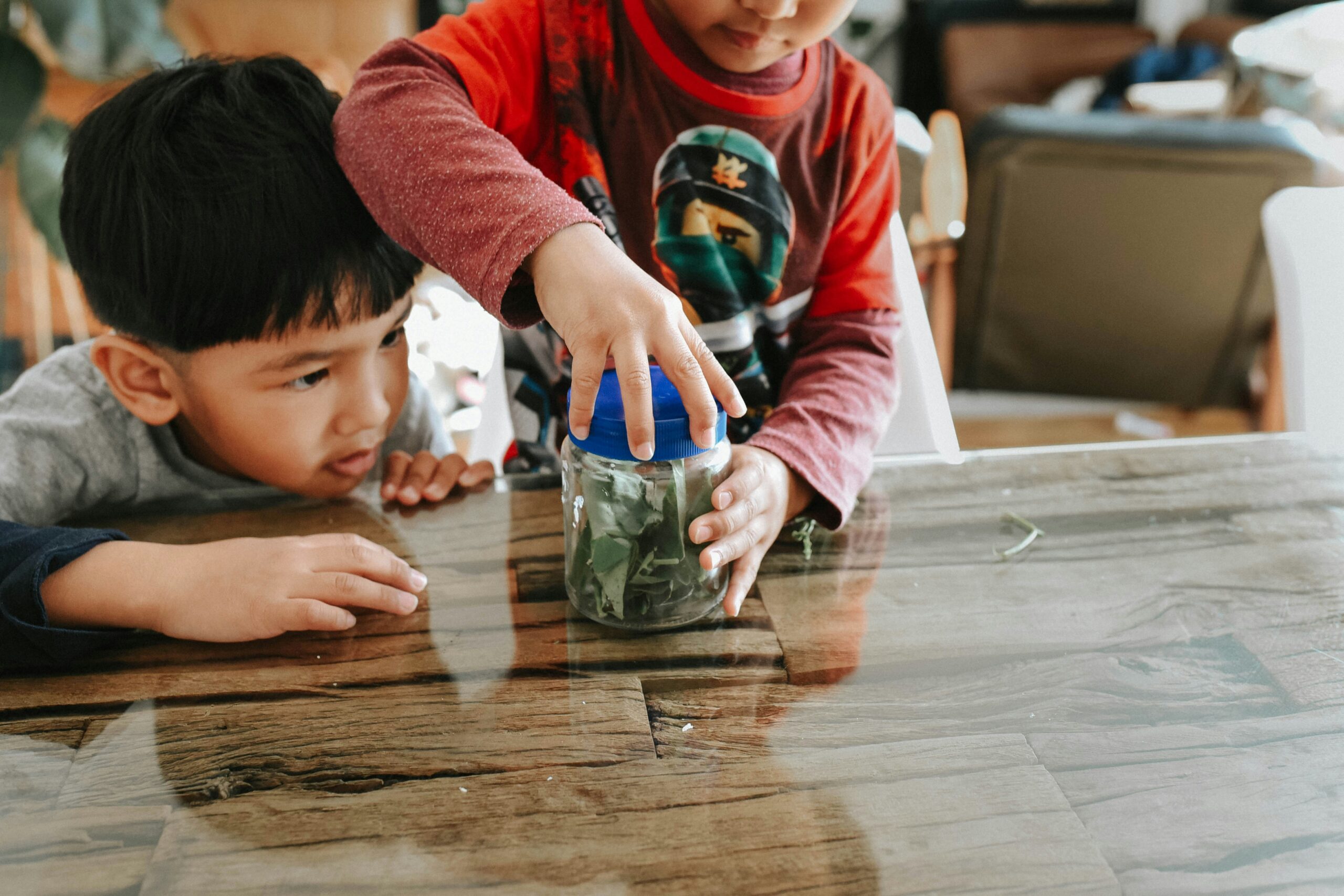
Teaching children about money may seem difficult at first. However, it becomes much easier when parents turn the lessons into fun activities. Kids learn best when they play, explore, and ask questions. Therefore, financial education should feel engaging rather than boring.
Money skills help children build confidence and independence. When kids understand how money works, they make smarter choices as they grow older. In addition, they develop habits that support long-term financial stability.
This guide explains how parents can teach kids about money in simple, enjoyable ways. With the right approach, children can learn financial skills while having fun.
Why Kids Should Learn About Money Early
Children form habits early in life. Because of this, learning about money during childhood creates a strong foundation for the future.
When kids understand basic financial concepts, they become more responsible with spending and saving. For example, a child who learns the value of money often thinks carefully before buying something.
Early lessons also help children avoid common financial mistakes later in life. As a result, they enter adulthood with better decision-making skills.
In addition, money education helps children build patience. Saving for something they want teaches them that good things take time and effort.
Parents do not need complicated tools to start teaching these lessons. Instead, everyday situations often provide the best learning opportunities.
Turning Money Lessons into Games
Children enjoy learning when they play games. Therefore, parents can turn financial education into fun activities.
One simple idea involves a pretend store. Parents can create a small shop at home using toys or snacks. Children then receive play money to buy items. During the game, they learn how spending works.
Another fun activity involves saving challenges. Parents can encourage children to save small amounts of money toward a goal. For example, a child may save coins for a new toy or book.
Board games can also teach money skills. Games that involve buying, selling, and counting money help children naturally understand financial concepts.
Because games feel exciting, kids stay interested and eager to learn.
Teaching the Difference Between Needs and Wants
Understanding needs and wants forms one of the most important money lessons for kids. However, many children struggle with this concept at first.
Parents can explain that needs include things required for living, such as food, clothing, and shelter. Wants include items that bring enjoyment but are not essential.
For example, a child needs shoes for school. However, they may want a specific brand or color.
Parents can practice this lesson during shopping trips. When children ask for something, parents can ask whether the item is a need or a want. This simple question helps kids think carefully before making choices.
Over time, children begin to understand how spending decisions work.
Using Allowances to Teach Money Management
Allowances provide a practical way for children to learn about money. When kids manage their own small budget, they gain real experience.
Parents can give a weekly allowance and encourage children to divide the money into different categories. For example, they might save part, spend part, and donate part.
This approach teaches balance. Children learn that money has multiple purposes.
At the same time, allowances allow kids to make small mistakes. If they spend all their money quickly, they must wait until the next allowance. Because of this experience, they learn the value of planning.
Eventually, children begin to think more carefully about how they use their money.
Teaching the Power of Saving
Saving money may feel difficult for children, especially when they want something right away. However, parents can make saving exciting.
One simple method is to use a clear jar for savings. When children see the money grow, they feel motivated to continue saving.
Parents can also set savings goals. For example, a child may want a new toy that costs twenty dollars. Each week, they add a small amount to their jar until they reach the goal.
This process teaches patience and discipline. In addition, children feel proud when they finally buy the item using their own savings.
Because of this success, they often develop a lifelong habit of saving money.
Introducing the Concept of Earning Money
Children should also understand that money usually comes from work. Therefore, parents can introduce the idea of earning money through simple tasks.
Some families offer extra money for optional chores. For example, children might earn money for washing the car, organizing toys, or helping with yard work.
This system helps kids see the connection between effort and reward.
However, parents should keep the tasks age-appropriate. Younger children may complete small tasks, while older kids can handle more responsibility.
As children grow, they learn that working toward a goal creates satisfaction and independence.
Teaching Smart Spending Habits
Spending wisely remains a critical life skill. Therefore, parents should guide their children in making thoughtful purchasing decisions.
One helpful strategy involves the waiting rule. When a child wants to buy something, parents can encourage them to wait a day or two before making the purchase.
Often, children realize they do not really want the item after waiting.
Parents can also compare prices with their children. For example, they may show how two similar items cost different amounts. This activity helps kids understand value and budgeting.
From these lessons, children learn that smart spending requires careful thought.
Using Real Life Situations as Learning Moments
Daily life offers many chances to teach money lessons. Parents can involve children in simple financial decisions.
For example, grocery shopping provides an excellent learning opportunity. Parents can show children how they choose items based on price, quality, and value.
Kids can also help create a small shopping list within a set budget. This activity teaches planning and decision-making.
In addition, parents can talk openly about saving for family goals. Children may learn how families save for vacations, school supplies, or plans.
These conversations make money education feel natural and practical.
Encouraging Generosity and Sharing
Financial education should also include generosity. Children should learn that money can help others, too.
Parents can encourage kids to donate a small portion of their allowance to charity or community projects.
For example, a child may choose to support an animal shelter or a school fundraiser.
This lesson teaches empathy and responsibility. Children understand that money can create positive change.
At the same time, giving often makes children feel proud and connected to their community.
Creating a Positive Relationship With Money
Children often develop their attitudes about money from their parents. Therefore, parents should model healthy financial behavior.
For example, parents can show patience when saving for something important. They can also demonstrate thoughtful spending and generosity.
When children observe these behaviors, they naturally adopt similar habits.
Positive money lessons help kids feel confident rather than stressed about finances.
As a result, they grow into adults who manage money wisely and make thoughtful decisions.
Teaching kids about money does not require complex strategies. Instead, simple conversations, games, and everyday experiences create powerful learning moments.
Parents who introduce financial education early give their children a valuable advantage. Kids learn how to save, spend, earn, and share money responsibly.
At the same time, fun activities keep children interested and motivated.